12 countries, one platform: How EOS in Eastern Europe is a role model for collaboration.
The markets of Eastern Europe offer huge potential, but also require very specific expertise. The project to migrate 12 national subsidiaries to a single software platform therefore quickly raised the question: Can that even work? It can. The international EOS project Kollecto+ shows how.

To roll out a software platform in 12 countries for 1,800 users, while taking at least as many different needs and unwritten practices into account, is certainly a challenge. Despite this, Pia Fischbach and Cristian Musat look astonishingly relaxed.
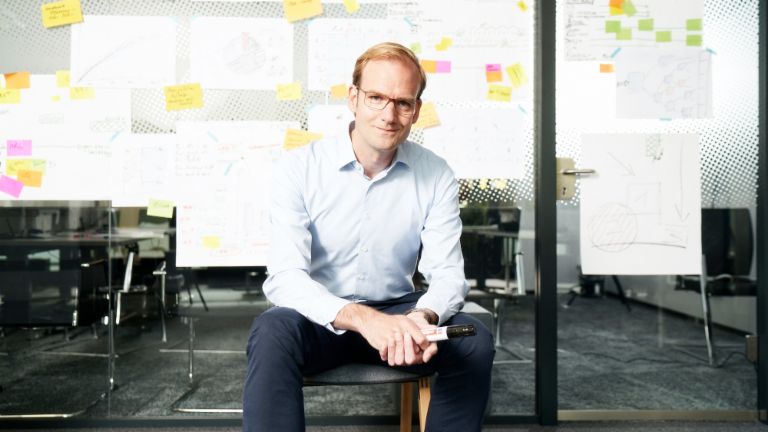
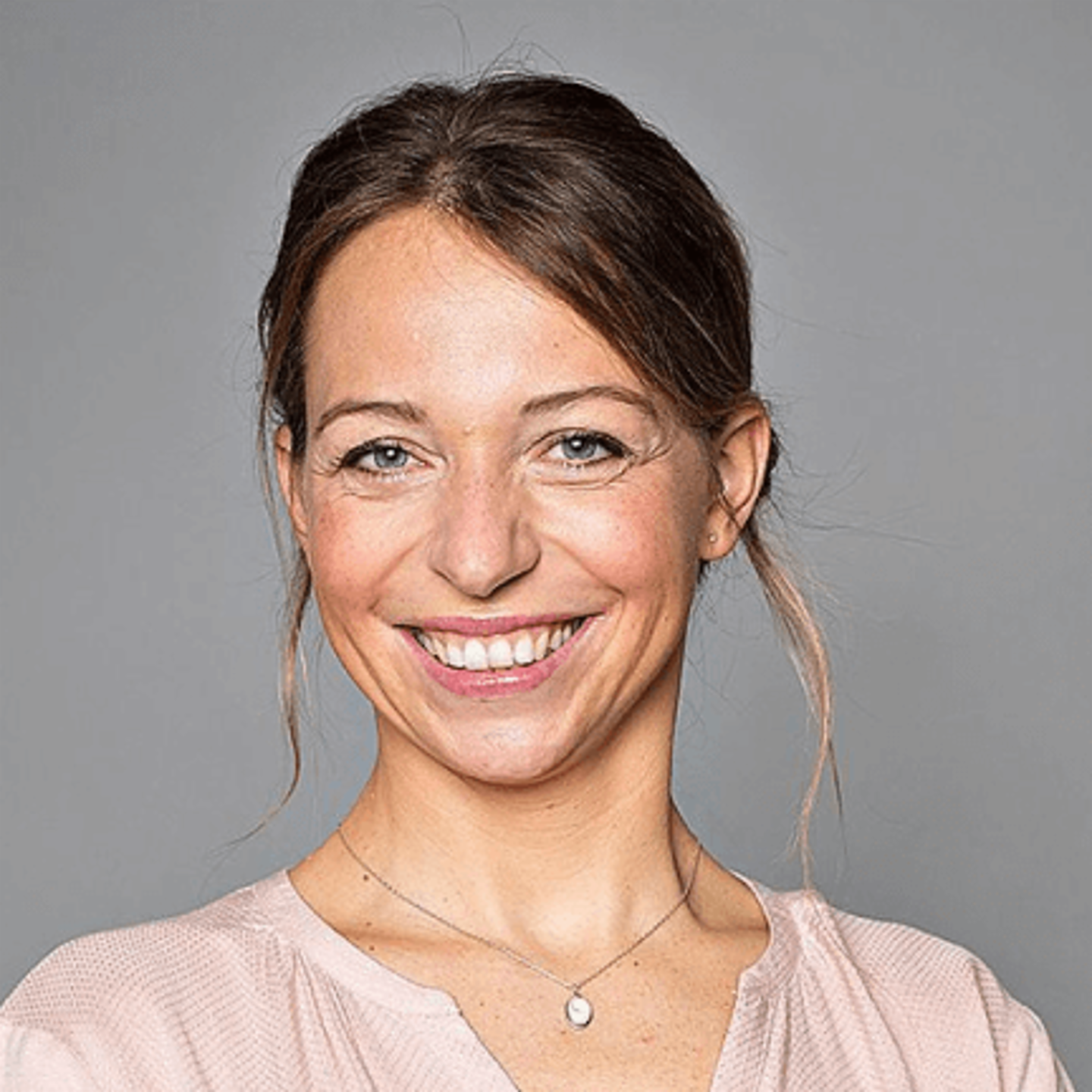
The Head of Strategy & Consulting at EOS Technology Solutions in Germany and Head of IT at EOS in Romania are overseeing the development of Kollecto+. The new web-based, cloud-ready debt collection software for EOS subsidiaries in Eastern Europe is set to replace the previous software Kollecto. The process is being handled by an international team. “Around 25 colleagues from Romania and Germany are among the driving forces and creators of Kollecto+,” explains Musat. Until now, nine EOS national subsidiaries have been using the previous software Kollecto to manage their receivables. Although the old system still works, it has a crucial drawback: “There are as many different versions of Kollecto as there are EOS subsidiaries,” says Fischbach. “Over the years, every company tweaked its system – sometimes to align with its own needs and sometimes in parallel but not coordinated with other companies.”
Specific solutions via plug and play.
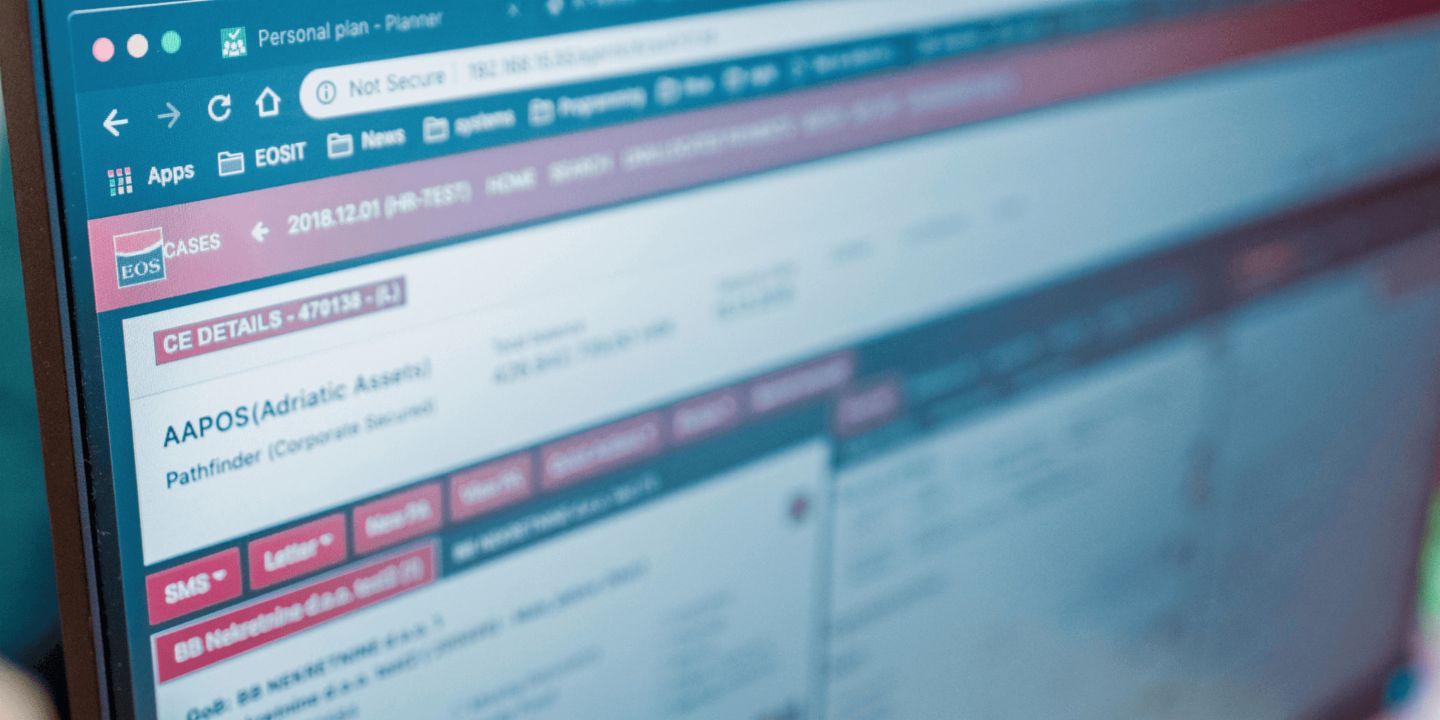
With Kollecto+, EOS is creating an efficient, future-proof solution comprising a lot of different individual modules. There is one module for those who are in contact with payment defaulters, another for managing assets, one for all legal departments, and so on. Depending on requirements, other modules can be enabled or disabled using plug and play.
It should be the users who collectively develop new features.
National requirements are one of the challenges involved. “The rules for contacting customers differ, there are different languages involved, and in some countries the receivables are in the local currency and in euros and so on,” says Musat. “Developing a standardised software that allows for a lot of national configurations is naturally more challenging than programming a local version.” But the extra effort is worth it: “We can configure Kollecto+ anywhere for the most complex of problems and scale it for 30 people in Slovenia or 500 in Romania.”

Software enhancements for receivables management will be available from a central location.
In addition, developing the software as a cross-border collaboration was a constant balancing act, says Fischbach. Ultimately, the EOS national subsidiaries will in future no longer be able to accommodate all their special preferences. “Moving a button in a dialog window from left to right is the kind of thing that will no longer happen with Kollecto+,” Fischbach says. However, the coordination process will offer more advantages than disadvantages overall. For example, software enhancements will be available to all users of Kollecto+, regardless of where they were proposed. This makes the software an organic system. “Around every four weeks we are going to improve an existing functionality or introduce a new one,” Fischbach predicts.
And: “When decisions are being made it is not the country that shouts loudest that will prevail but the idea with the greatest business value.” To further encourage the exchange of information and insights, the Kollecto+ Board, which meets monthly, will determine the next steps.
In Croatia, the migration to Kollecto+ will be completed in the first half of 2019, while the process is ongoing in Bosnia, Serbia and Poland. National subsidiaries in Western Europe are also expressing interest. Apart from the technical progress made, the project is also a collaborative success, as any reservations that colleagues may have had were quickly dispelled. “The various national companies simply recognized the added value,” says Musat. “That made it easy for them to get on board.”
Photo Credits: Cristi Hancu, Sebastian Vollmert / EOS
Explorez davantage EOS